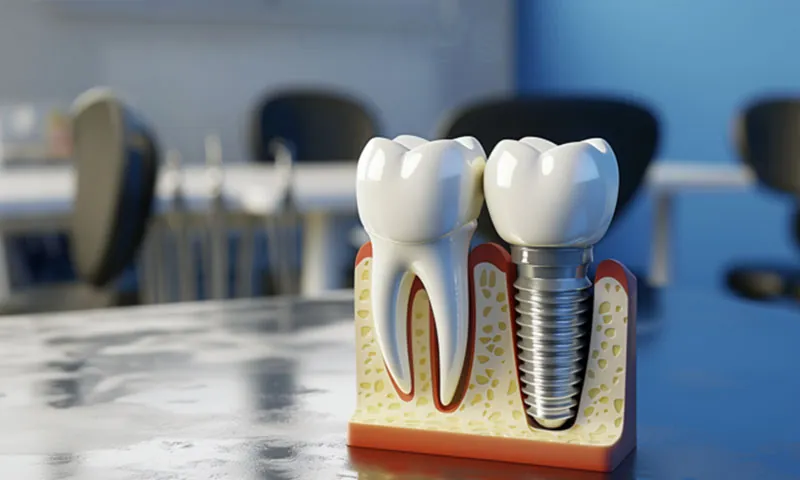
Understanding Molar Implant Cost: Load, Durability, and Decision Clarity
The Engineering of Stability: Navigating Molar Implant Cost
When you begin researching molar implant cost, your focus is likely on practicality. Because molars are tucked away at the back of the mouth, the aesthetic pressure of a front-tooth restoration is absent. This often leads to the assumption that the process should be simpler, more standardized, and therefore more predictable in its pricing.
However, beneath this practical search often lies a hidden anxiety: the fear that an underestimated decision will lead to structural failure. You know that these teeth do the “heavy-lifting” of your mouth, and there is a nagging worry that choosing an option based on assumed simplicity might result in a restoration that cannot handle the daily stress of chewing, leading to discomfort or costly repeat procedures.
The Illusion of the “Simple” Back Tooth
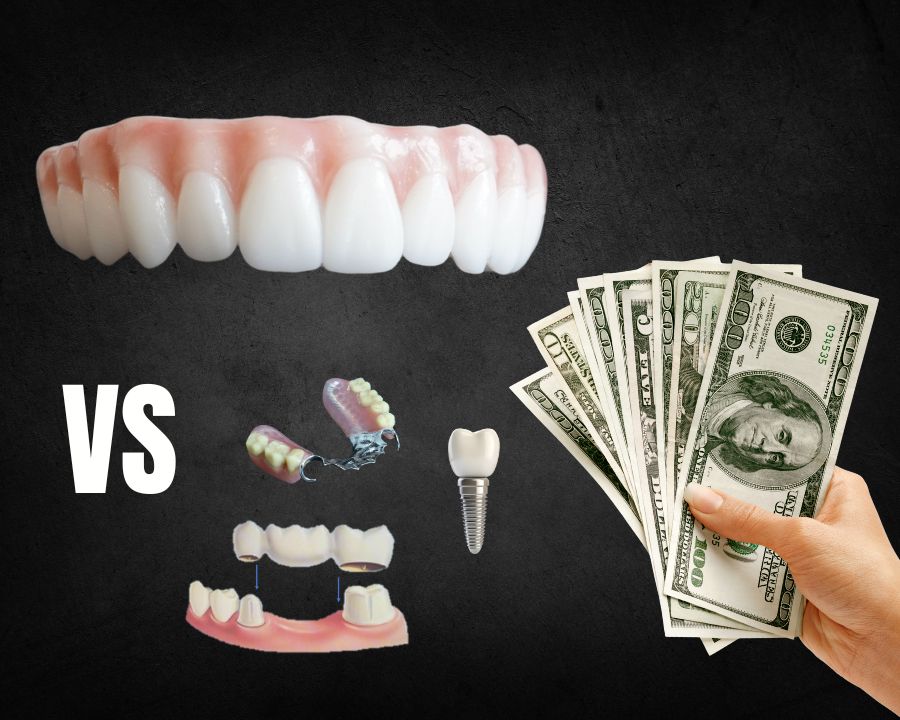
The confusion surrounding molar implant cost exists because we tend to equate “out of sight” with “low complexity.” This leads many to seek psychological shortcuts to reduce the stress of the decision:
-
Commodity Pricing: Assuming the implant is just a piece of hardware that should have a fixed market rate.
-
Brand Reliance: Hoping a specific manufacturer name can act as a substitute for a detailed clinical plan.
-
The “Standard Case” Fallacy: Believing that because most people have molars, the approach to replacing them is universal.
These shortcuts feel like they offer control, but they often ignore the most critical variable of the posterior mouth: biomechanical load. The back of the mouth is the “engine room” of your bite, and treating a molar as a “simple” fix can lead to the very failure you are trying to avoid.
Reframing the Molar: Durability Over Simplicity
The belief that a molar implant is less consequential than a front tooth persists because we overvalue appearance and undervalue engineering. To regain confidence, it is helpful to replace the “simplicity” mindset with a Durability Model.
In this way of thinking, molar implant cost is not a static number, but a reflection of how the highest forces in your body are being managed. Molars must withstand hundreds of pounds of pressure per square inch, thousands of times a day. Confidence grows when you understand the variables that influence this long-term stability:
-
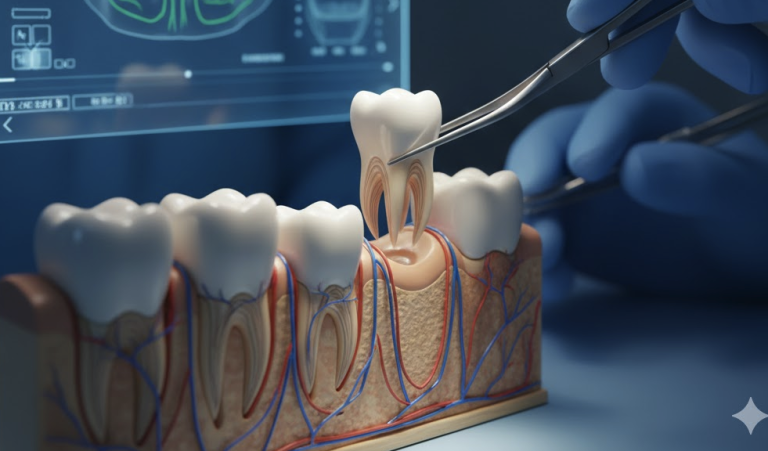
Bone Volume and Quality: Molars require a wide, dense foundation. If the bone has thinned, the “cost” reflects the engineering required to rebuild that foundation (such as a sinus lift or bone graft) rather than just the implant itself.
-
Vertical Alignment: The precision required to align the implant perfectly with the opposing tooth to ensure the force is distributed vertically, preventing the metal from fatiguing or the bone from receding.
-
Surface Area Management: Choosing the correct diameter of the implant to maximize the contact with the bone, ensuring the “anchor” is proportionate to the workload of a molar.
Molar Stability Checklist: Verifying the Plan

To move past the assumption of “simplicity,” look for these four diagnostic terms in your treatment plan. Their presence indicates that your clinician is prioritizing long-term durability over a standard “one-size-fits-all” approach.
-
CBCT (3D) Volume Analysis: Verify if your clinician used a 3D scan to measure the width of the bone, not just the height. Molars need a wide platform to prevent the implant from acting like a “thin nail” under a heavy hammer.
-
Sinus Proximity Assessment: For upper molars, this ensures the implant doesn’t penetrate the sinus floor. If a “Sinus Lift” is mentioned, it means they are creating the necessary bone depth for stability.
-
A-P Spread & Loading Profile: This refers to how the implant will sit in relation to your other teeth. It confirms the plan accounts for your specific chewing patterns and “bite force.”
-
Custom Milled Abutment: Unlike a “stock” connector, a custom abutment is shaped to your specific gum line, ensuring the molar crown can be built with a wider, more natural base to distribute stress properly.
Decision Scenarios: Mapping Your Functional Needs
-
The Recent Loss Scenario: You lost a molar recently and the bone is still thick. What matters: Immediate stability to prevent shifting.
-
The Chronic Gap Scenario: The tooth has been missing for years. What matters: Rebuilding a foundation to reclaim chewing function.
-
The “Grinder” or “Clencher” Scenario: You have heavy bite forces. What matters: Maximum mechanical resilience and vertical precision.
Context Comparison: Planning for Mechanical Load
| Factor | Baseline Approach | Comprehensive Mapping | Advanced Bio-Engineered |
| Decision Certainty | Relies on average bone density | High; uses 3D imaging | Very High; addresses specific load |
| Long-term Predictability | Variable; higher risk of “repair” | High stability over decades | Highest; designed for high-stress |
| Planning Complexity | Routine 2D diagnostics | 3D CT scans and mapping | Virtual stress-testing of bite |
| Risk if Assumptions Fail | Potential for mechanical fatigue | Minimal; risks identified early | Near-zero; built-in redundancies |
| Flexibility Over Time | May require specific parts | Compatible with major systems | Fully modular for future changes |
Restoring Control and Normalizing Research
A molar restoration is a permanent structural change to your mouth’s architecture. It is perfectly appropriate—and often wise—to stay in the research phase until the mechanics of the procedure make sense to you. Frame professional help as clarification, not commitment. You are the final authority on when the logic of the solution outweighs the fear of the investment.
The Value of Clarity
Confidence is the byproduct of understanding the workload. When you stop asking, “What is the molar implant cost?” and start asking, “How will this plan handle my chewing forces?”, the anxiety of the unknown begins to lift. You move from a position of cautious comparison to a position of informed judgment.
Reassurance and Decision Safety
The safety of your choice is found in the transparency of the planning process, not in the assumed simplicity of the tooth’s location. When the path forward feels mechanically sound and tailored to your functional needs, you can proceed with true peace of mind.