Navigating Teeth Implants Price: A Guide to Risk, Value, and Decision Clarity
Beyond the Number: Understanding the Logic of Teeth Implants Price
When you begin searching for teeth implants price, you are usually looking for a definitive anchor—a specific number that signals you are making a “safe” or “fair” deal. It is a logical starting point for any significant health investment. However, the surface-level quest for a price list often masks a deeper, unspoken fear: the fear of misjudging value.
The hidden anxiety isn’t just about the dollar amount; it is the worry that you might pay a premium for a result that could have been achieved for less, or conversely, choose a lower-cost option only to find it leads to a lifetime of corrective procedures. In high-stakes dentistry, the search for a “correct” price is often an attempt to buy certainty in a process that feels inherently unpredictable.
Why Price Comparison Feels Unreliable
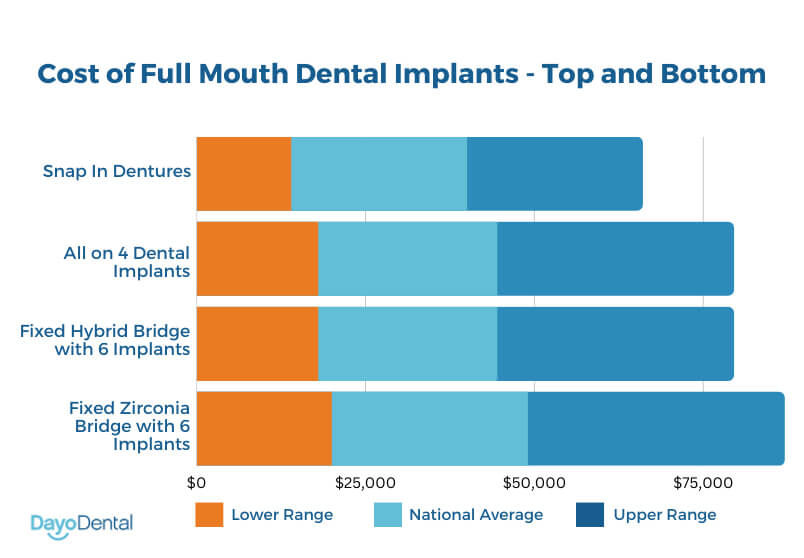 The confusion surrounding teeth implants price exists because the dental industry sits at a strange intersection of retail and complex medicine. We are conditioned to shop for products—like electronics—where features can be compared side-by-side. Naturally, we try to apply this same logic to our bodies.
When faced with the vast variance in quotes, shortcuts become incredibly tempting. You may find yourself focusing on:
-
Specific Brands: Assuming the hardware manufacturer is the primary driver of success.
-
Speed: Valuing “immediate” results because they reduce the time spent in uncertainty.
-
Rankings: Looking for “top-rated” lists to outsource the difficult work of clinical vetting.
These shortcuts feel like safety nets, but they often ignore the most important variable: your unique biological landscape. When the focus stays on the “number,” the actual complexity of the procedure is obscured, leading to the primary objection: “I might waste my money on a choice that fails to deliver long-term normalcy.”
Reframing the False Belief: Price as Risk Management
The belief that a teeth implants price is primarily determined by the “screw” itself persists because we view the implant as a commodity. In reality, a dental implant is a clinical outcome you facilitate.
To regain clarity, it is helpful to replace the “fixed price” mindset with a Predictability Model. In this framework, the price is not a random number; it is a reflection of the resources required to eliminate variables that could lead to failure. When you see a higher quote, you aren’t necessarily paying for a “fancier” material; you are likely looking at a different level of risk mitigation:
-
Diagnostic Precision: Moving from 2D X-rays to 3D mapping to identify nerve pathways and bone volume.
-
Structural Foundation: The difference between placing an implant in healthy bone versus recreating bone through grafting to ensure stability.
-
Biomechanical Planning: Ensuring the crown and implant are engineered to distribute biting forces without fatiguing the metal.
Decision Scenarios: Mapping Your Context
Understanding your specific context helps move the conversation from “How much?” to “What is being managed for my situation?”
-
The Single Tooth Restoration: You are missing one tooth in a healthy jaw. What matters: Preserving the adjacent healthy teeth. The worry: Will a “budget” choice eventually compromise the surrounding teeth?
-
The Multi-Year Gap: A tooth has been missing for several years, and the bone has naturally thinned. What matters: Re-establishing a foundation. The worry: Will the “extra steps” required for bone stability feel like an unnecessary cost?
-
The High-Aesthetic Zone: The missing tooth is in the front “smile zone.” What matters: Perfect gum-line symmetry. The worry: Will a standardized approach look artificial or reveal metal over time?
Context Comparison: Planning for Predictability
This table outlines how different procedural philosophies manage variables. It is designed to help you identify which level of planning matches your personal tolerance for risk.
| Factor | Standardized Approach | Comprehensive Planning | Advanced Bio-Guided Planning |
| Decision Certainty | Moderate; relies on average healing | High; uses patient-specific data | Very High; addresses specific deficits |
| Long-term Predictability | Variable based on lifestyle | High stability over decades | Highest; designed for high-risk profiles |
| Planning Complexity | Routine diagnostics | 3D imaging & digital design | Multi-stage tissue/bone architecture |
| Risk if Assumptions Fail | Revision surgery may be needed | Minimal; risks identified early | Near-zero; contingencies built-in |
| Flexibility Over Time | May require specific parts | Usually compatible with major systems | Fully modular for future life changes |
Decision Logic Map: Evaluating a Quote
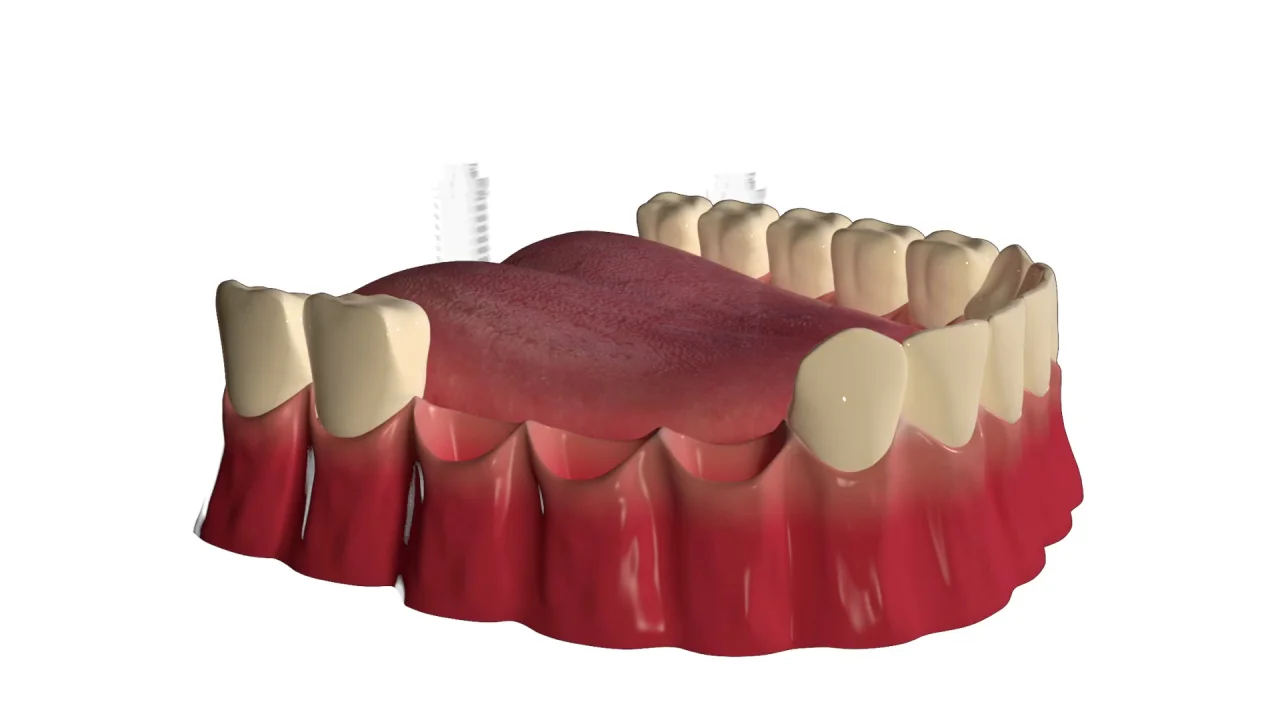
When you receive a quote for a teeth implants price, use the following logic to determine if the value is based on commodity pricing or high-safeguard planning:
-
Was a 3D Scan Used? * No (2D only): Higher risk of anatomical “surprises” during surgery.
-
Yes (CBCT): Planning is based on three-dimensional reality.
-
-
Is Bone Grafting Discussed?
-
No (but bone is thin): The implant may lack long-term stability.
-
Yes: The clinician is prioritizing a structural foundation over a “fast” fix.
-
-
Are Surgical Guides Utilized?
-
No (Freehand): Success relies entirely on the clinician’s hand-eye coordination on the day of surgery.
-
Yes (Guided): The implant’s position was digitally stress-tested and locked in before the surgery began.
-
Restoring Control and Normalizing Research
The most important thing to remember is that you are in total control of the timeline. The “comparison-driven anxiety” you feel is a signal that you lack sufficient information to feel safe.
Normalize the research phase. It is perfectly acceptable to stay in a state of “not deciding” until the logic of the clinical plan outweighs the fear of the expense. Frame professional consultations as clarification sessions, not commitments. You are gathering data to see if a provider’s approach to risk management aligns with your priorities for predictability and comfort.
The Value of Clarity
Confidence is the byproduct of clarity. When you stop asking “What is the teeth implants price?” and start asking “How are you managing the variables specific to my jaw?”, you move from a position of vulnerability to a position of power. You transition from being a consumer trying to “buy” an outcome to an informed patient selecting a clinical partner. Understanding how planning and conditions shape the investment removes the pressure to decide quickly.
Reassurance and Decision Safety
Making a significant change to your dental health is a process that deserves your time and attention. The safety of your decision is found in your comfort level with the information provided, regardless of the initial numbers you scan. By focusing on the how and the why of the clinical plan, you create a foundation of safety that no amount of price-comparison can replace.